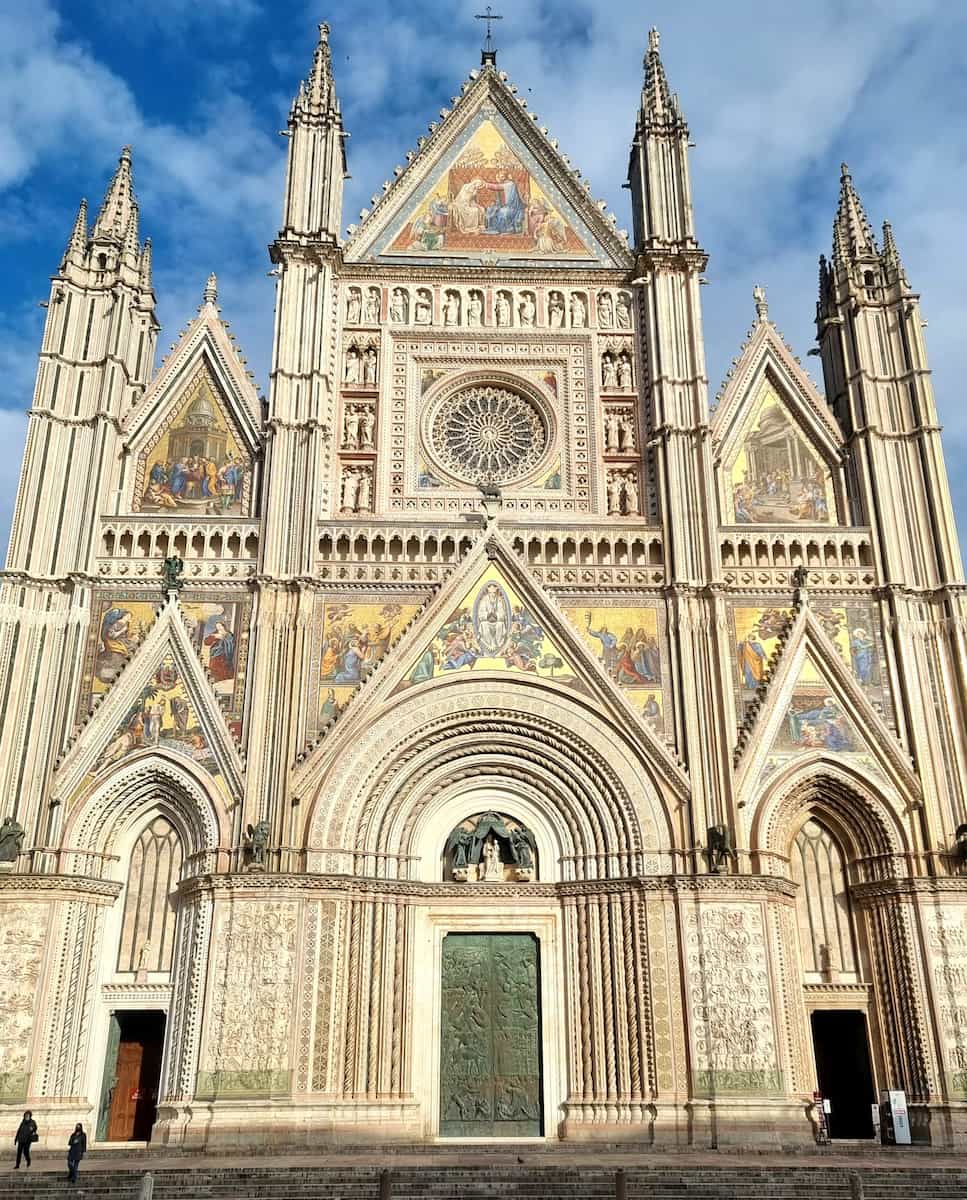
Orvieto
25 min drive
This prominent Umbrian hill town features a famous Gothic cathedral and underground tunnels, providing a substantial historical contrast to the smaller village of Civita.

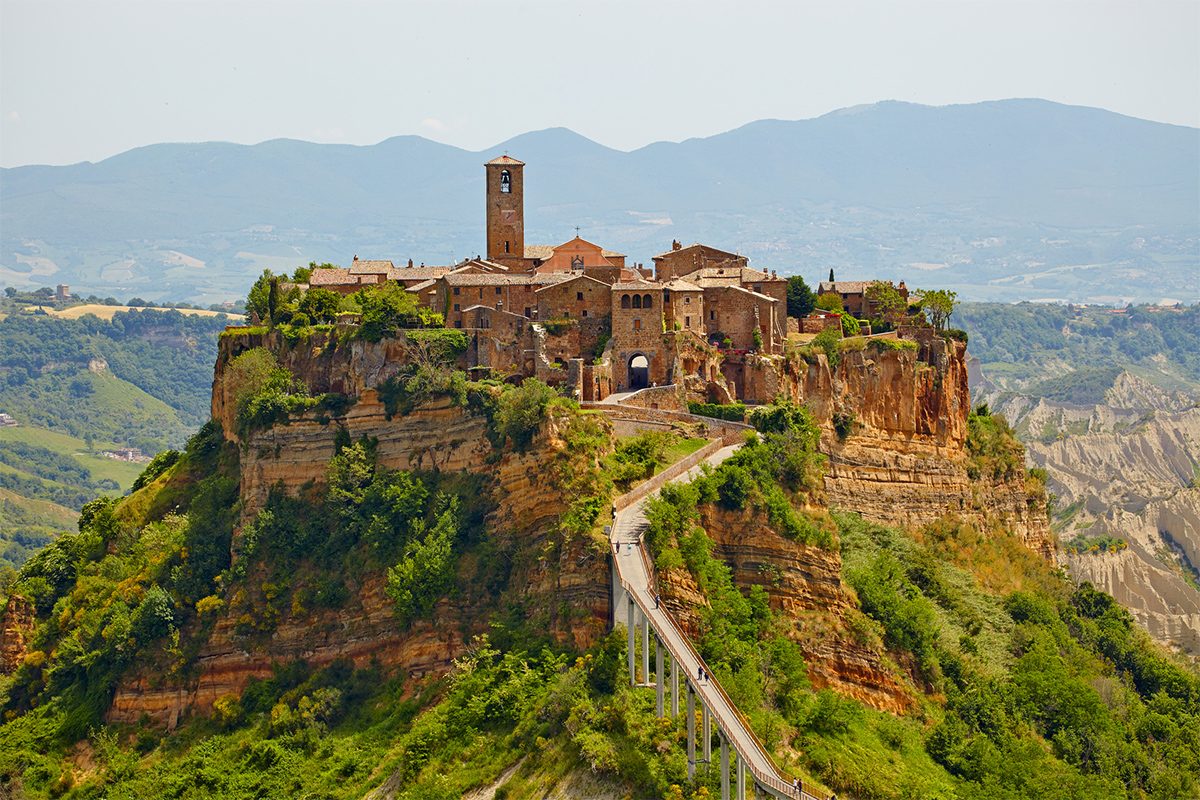
A single footbridge, roughly 300 metres of it, is the only way into a village perched on collapsing volcanic tuff. That crossing is what makes travellers hesitate, and it is also the reason the place stays quiet enough to be worth the effort. This is civita di bagnoregio worth visiting guide sets out the honest case for and against, and what the walk actually asks of you.
Quick answer
Yes, for most visitors. Access to the borgo runs 08:00–20:00 daily, with a 5 EUR conservation fee per person, and the village itself takes about two hours to see properly. The caveat is the pedestrian bridge: it is steep, fully exposed, and has no vehicle alternative, so anyone with limited mobility should weigh that first.
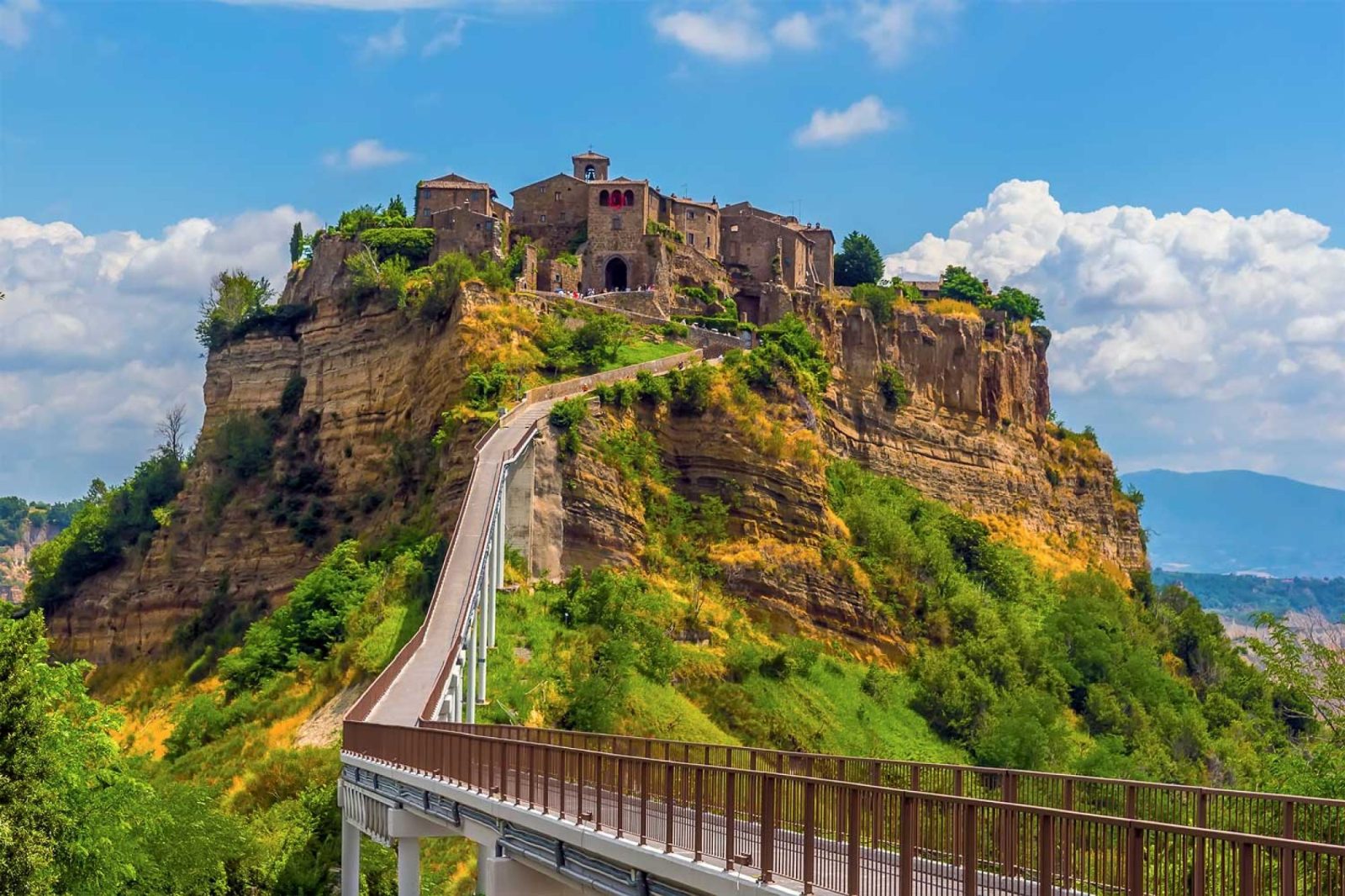
The village is losing ground, quite literally. Civita sits on a plug of volcanic tuff resting on softer clay, and the ravine below it widens a few centimetres every year — which is how the settlement earned its nickname, il paese che muore, the dying town. Roughly a dozen people live there year-round. The rest of the population is day visitors, arriving on foot because nothing else can get in. That single access point explains most of what travellers want to know. Anyone asking is civita di bagnoregio worth visiting is really asking whether a short, tiring walk buys enough on the other side. It does, provided expectations are set correctly. Civita is not a town of major monuments. There is no gallery queue, no ticketed interior of consequence, no skip-the-line Civita di Bagnoregio shortcut to buy, because the bridge takes as long as it takes. What waits at the top is a compact grid of Etruscan-era lanes, the Porta Santa Maria carved through rock by Etruscan hands and reworked in the medieval period, the church of San Donato on a piazza of packed earth, and cellars and grottoes cut directly into the tuff beneath houses. The Renaissance facades along the main lane are modest and unrestored in the good sense. Views run out over the Valle dei Calanchi, an eroded badland of grey ridges that looks nothing like the postcard Umbria most visitors expect. The practical shape of a visit is simple. Park in Bagnoregio, walk to the Belvedere Mercatello viewpoint, then cross. The climb is continuous and unshaded, which matters more in August than in April. Two hours inside covers the lanes, the piazza and a slow lunch; half a day covers it comfortably with the Antica Civitas geological museum. Most people pair it with Orvieto, a forty-minute drive west, and the two make a natural single day — one a cathedral city, the other a village on a pedestal. So, is civita di bagnoregio worth visiting for every traveller? Not quite. Those who need vehicle access, or who measure a destination by the number of sites inside it, will find the ratio of effort to attraction unfavourable. Everyone else gets something Italy has very little of left: a medieval borgo with no traffic, no through-road, and a horizon that is visibly rewriting itself.
“Civita is not a town of major monuments — it is a town that is running out of ground, and that is the point.”
The best arrival window is 08:00–10:00 to avoid mid-day crowds and extreme summer heat on the exposed pedestrian bridge. Visiting during shoulder seasons provides more temperate conditions for the walk into the village.
—
Arrive early to experience the village before day-trippers arrive. This ensures a quieter walk across the bridge.
Mild, 15°C to 22°C
Spring offers comfortable walking temperatures and clear visibility. Landscapes around the valley are typically at their most vibrant.
Mild, 16°C to 24°C
Early autumn provides stable weather and relief from summer heat. The morning light is particularly well-suited for photography.
High, 28°C to 35°C
Expect significant heat on the exposed bridge. Plan your transit for the earliest available morning hours to mitigate sun exposure.
Verdict: Visit between Tuesday and Thursday, arriving at 08:00 during the months of April, May, September, or October for the most manageable experience.
Access to Civita di Bagnoregio requires a mandatory conservation fee. This payment supports the ongoing maintenance and preservation of the village infrastructure.
Verdict: A typical adult pays 5 EUR, though the fee may be 3 EUR depending on whether the visit falls on a weekday.
Civita di Bagnoregio is open to visitors daily throughout the week. Access is available from morning until early evening.
Civita di Bagnoregio is located in the Viterbo province of Lazio, accessible primarily by road. The most practical approach for visitors involves reaching the town of Bagnoregio before proceeding to the pedestrian-only bridge.
Regional train from Rome or Florence to Orvieto Station
Cotral bus from Orvieto Station to Bagnoregio
A1 motorway to Orvieto exit, then follow SP71 and SP6 toward Bagnoregio
From the Bagnoregio parking area to the pedestrian bridge
Arrive between 08:00–10:00 to avoid mid-day crowds and extreme summer heat on the exposed pedestrian bridge. Park at the designated area in Loc. Mercatello, 01022 Bagnoregio, then walk to the bridge entrance.
Civita di Bagnoregio is located in a region rich with Etruscan and medieval history, making it a natural fit for a multi-stop itinerary. Combining your visit with nearby historic towns allows for a deeper exploration of the unique architecture and landscapes of Northern Lazio and Umbria.
25 min drive
This prominent Umbrian hill town features a famous Gothic cathedral and underground tunnels, providing a substantial historical contrast to the smaller village of Civita.
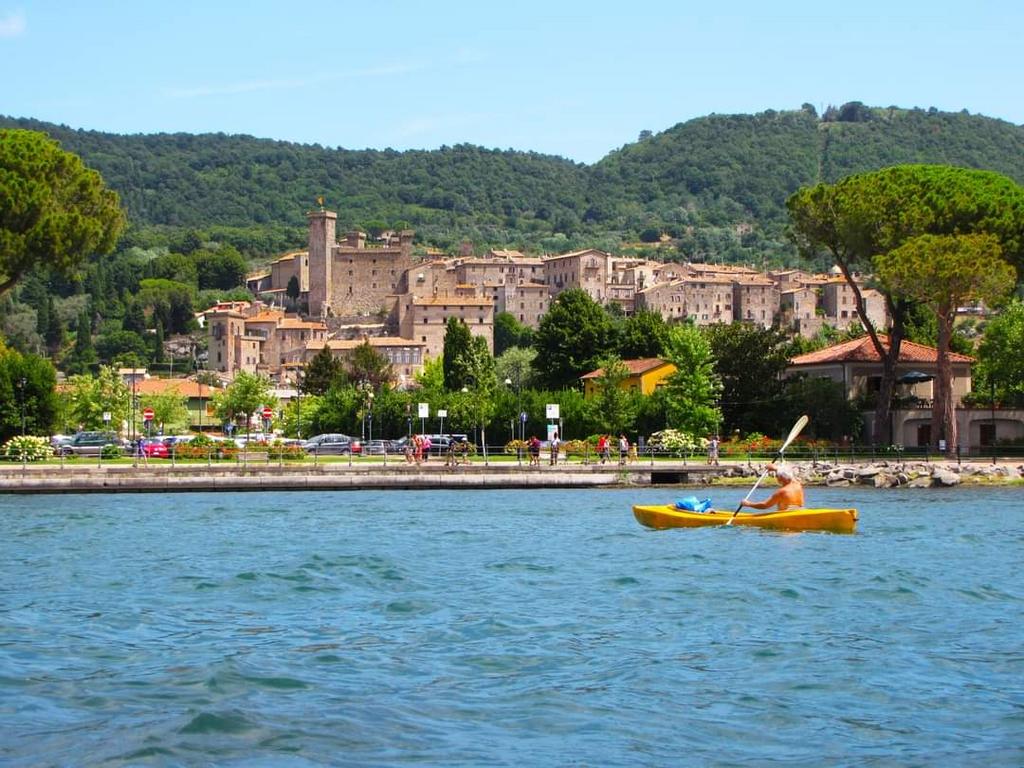
30 min drive
As one of the largest volcanic lakes in Italy, this area offers a quiet environment and fresh local fish, serving as a scenic place to relax after walking the bridge.
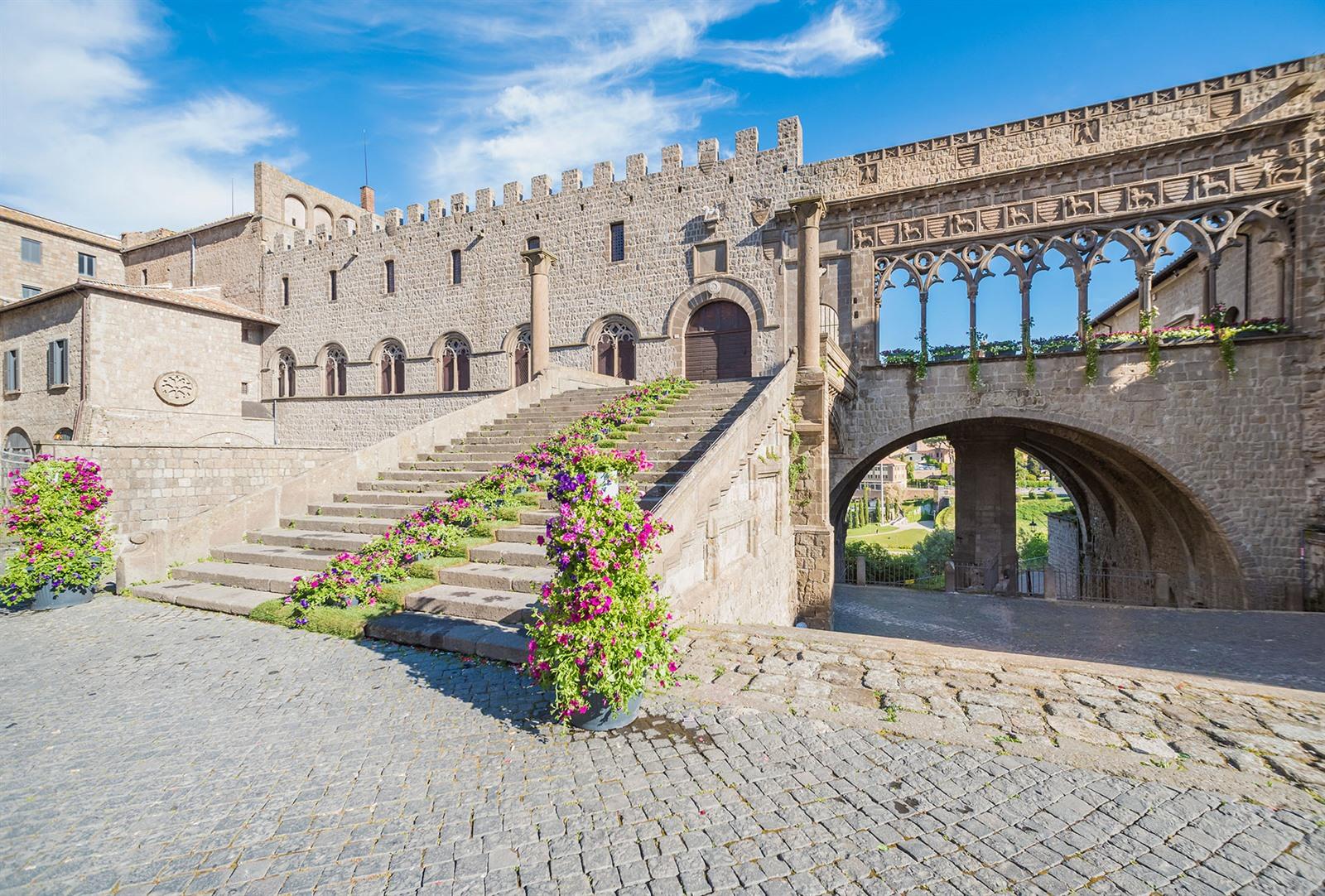
40 min drive
Known as the City of Popes, Viterbo contains a well-preserved medieval quarter and thermal springs that complement the rustic scale of Civita.
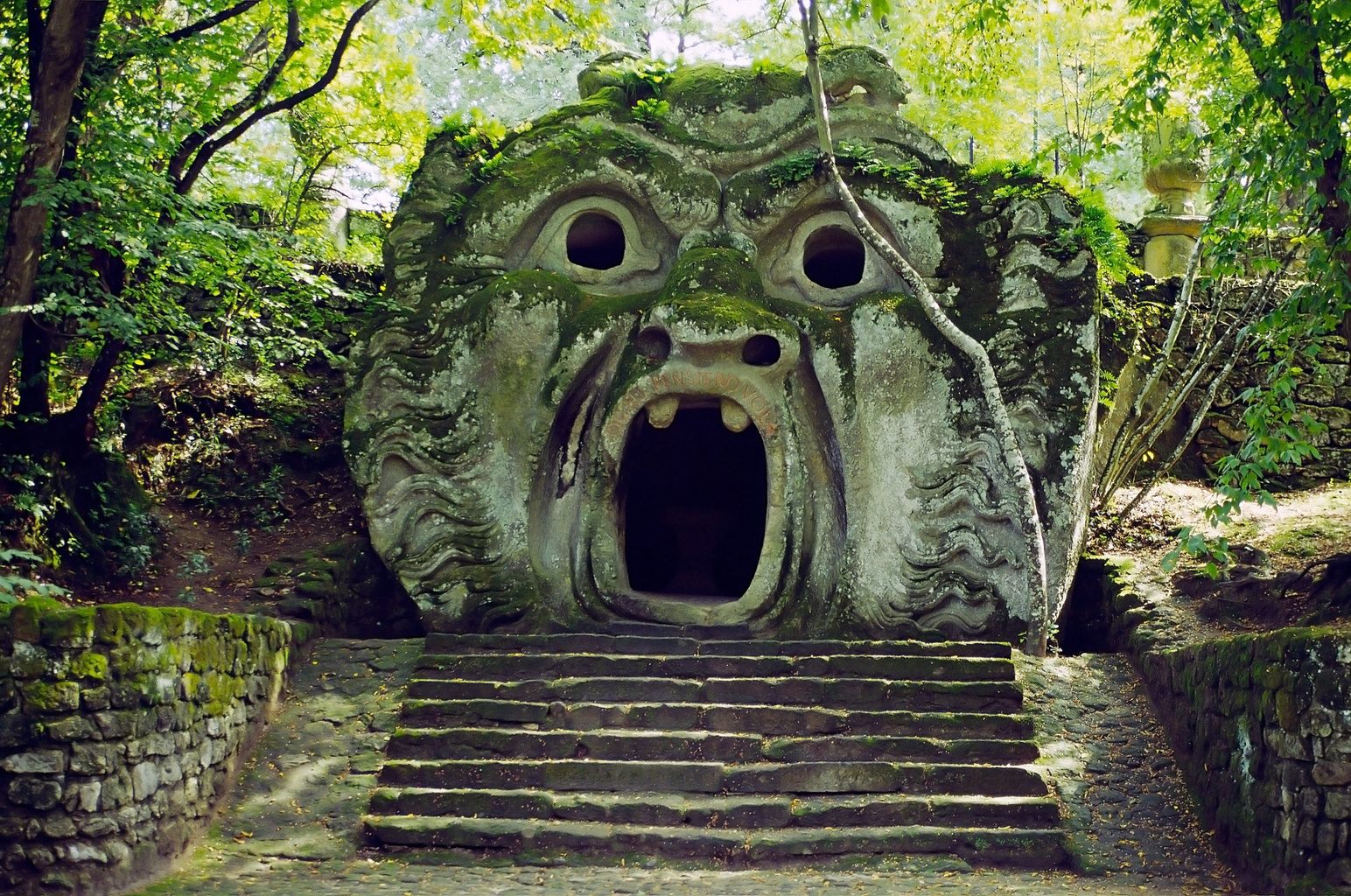
45 min drive
This 16th-century garden features eccentric stone sculptures integrated into the woods, offering an unusual artistic experience within reasonable driving distance.
Civita di Bagnoregio is defined by its precarious position atop a crumbling plateau of volcanic tuff. Visitors traverse the pedestrian bridge to explore the preserved medieval architecture and quiet residential lanes of this isolated hilltop village.
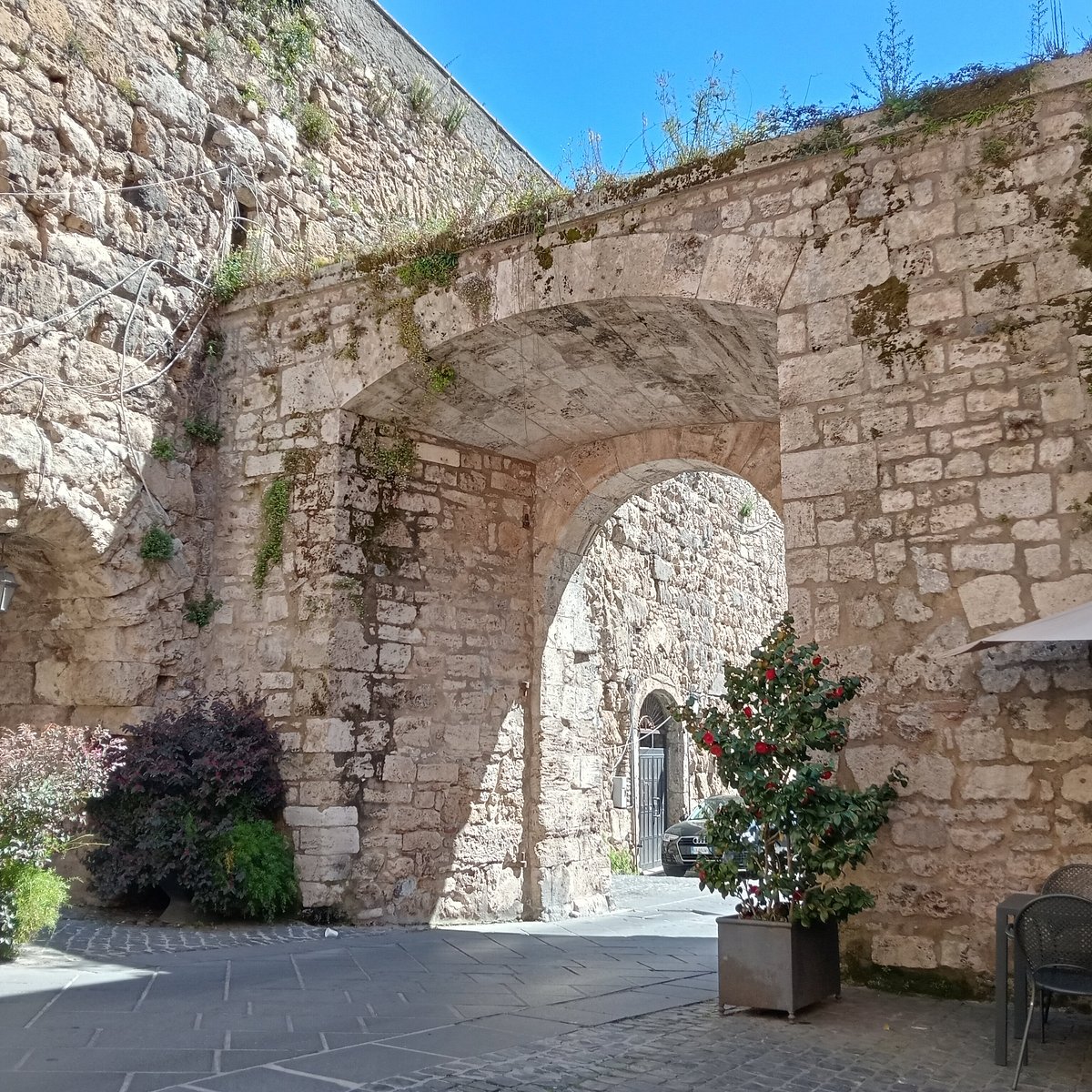
The main entrance gate is adorned with medieval stone carvings of lions holding human heads, symbolizing the victory of the people over local tyrants.
Look closely at the faded reliefs on the archway stones.
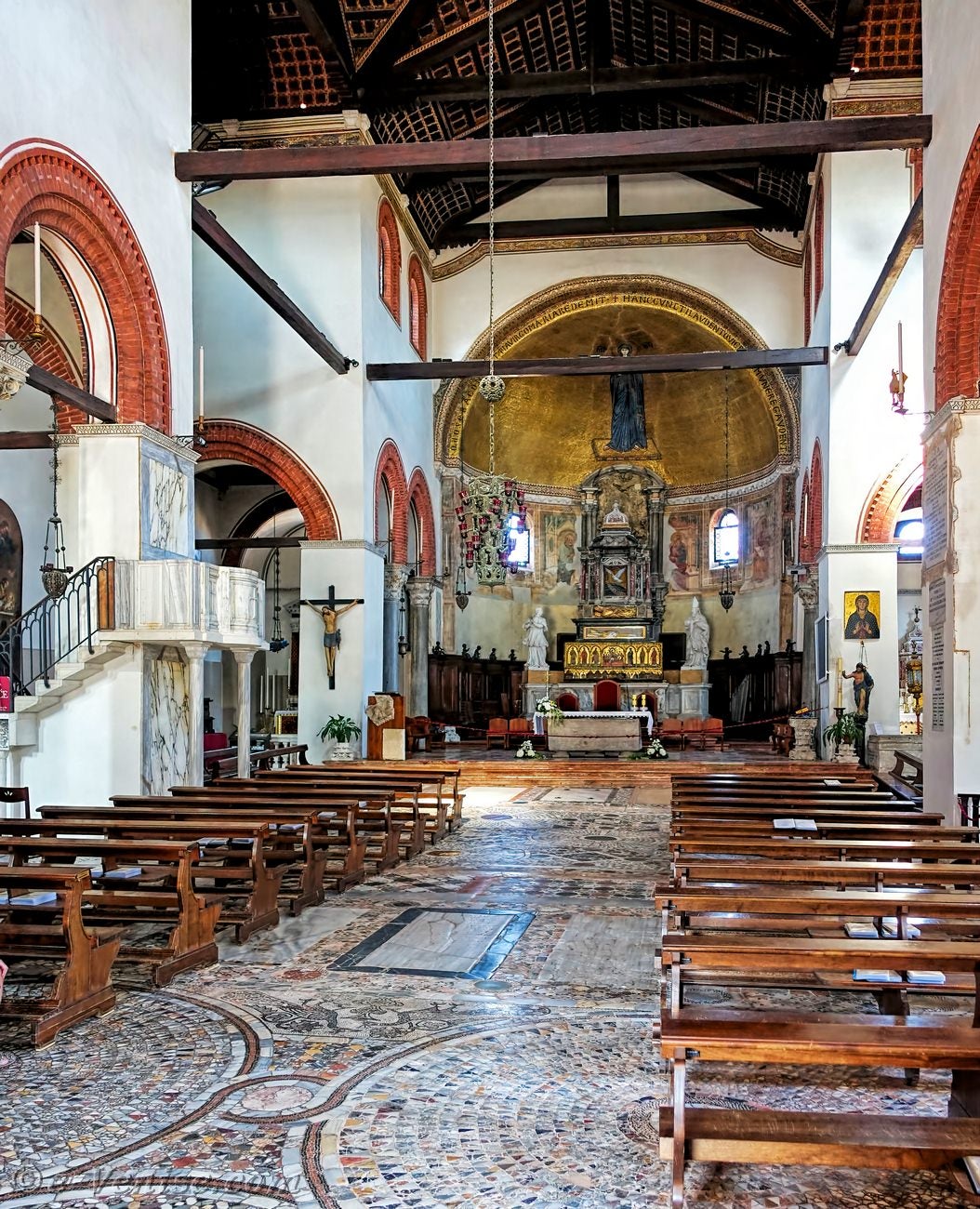
Situated in the central piazza, this church houses a wooden crucifix attributed to the school of Donatello.
Observe the Roman columns repurposed from a former temple.
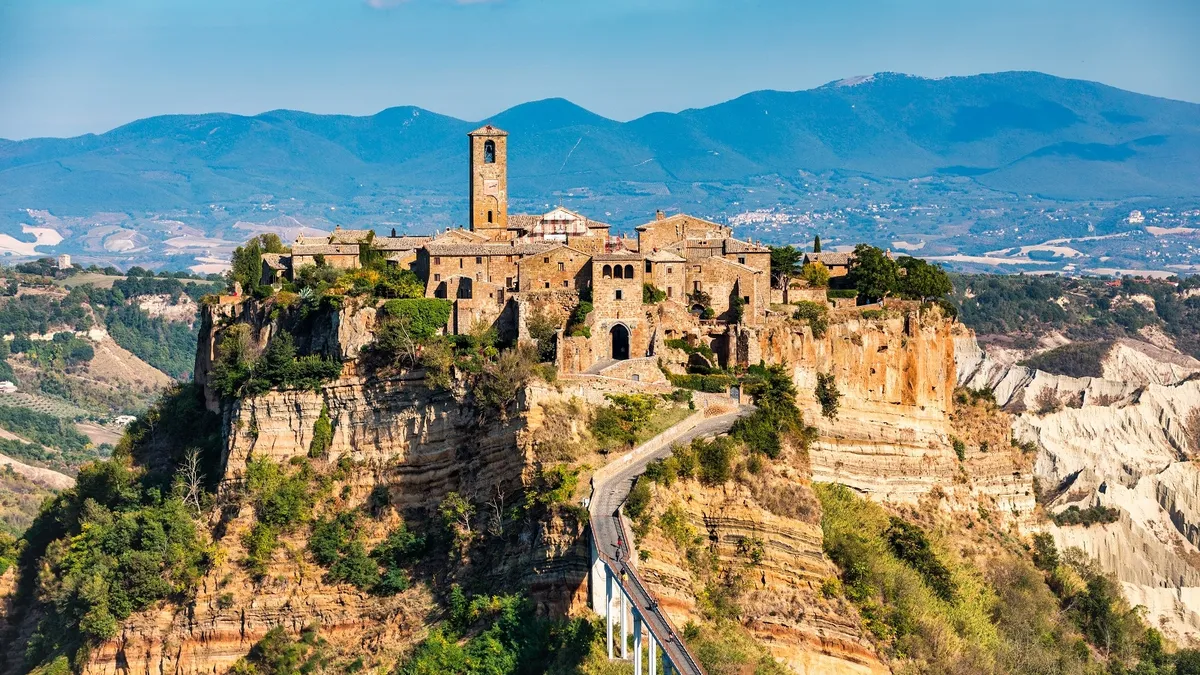
This area at the edge of the village provides a clear view of the erosion patterns affecting the surrounding clay canyons.
Walk to the western cliff edge for panoramic canyon views.
Located near the main square, this building reflects the historical importance of the village in regional ecclesiastical administration.
View the Renaissance-style facade and stone masonry.
Everything you need to know about is civita di bagnoregio worth visiting
Travelers frequently ask if Civita di Bagnoregio worth visiting due to its unique position atop a crumbling tuff plateau. Many find the experience of walking across the isolated footbridge to see this historic Italian landmark rewarding. It offers a rare glimpse into medieval architecture that remains preserved despite erosion challenges. Because it requires a steady walk, those curious if Civita di Bagnoregio worth visiting should wear comfortable footwear. The village is small, making it a manageable addition to regional itineraries. Visitors often confirm that is Civita di Bagnoregio worth visiting for the panoramic views of the Valle dei Calanchi. The site requires a 5 EUR conservation fee per person to support structural maintenance. Prices can vary between 3 EUR on weekdays and 5 EUR on weekends and holidays. Always check current policies to understand if Civita di Bagnoregio worth visiting relative to your budget. To avoid midday crowds and heat on the exposed bridge, plan your arrival between 08:00 and 10:00. This early window provides the most comfortable conditions for exploring the narrow streets. Arriving early also allows you to enjoy the atmosphere before tour groups reach the peak. The site is accessible daily from 08:00 to 20:00. These hours apply throughout the week, including weekends. The pedestrian access point remains open during these times for all ticket holders. Visitors must stay on designated paths to protect the fragile volcanic soil and structures. Respecting these boundaries helps preserve the integrity of this historic destination. The village streets are narrow and steep, which may be challenging for strollers, so plan accordingly. Families often appreciate the educational aspect of the village, though the climb requires physical stamina.
Orvieto and Civita di Bagnoregio Tour from Rome
Read more Tickets & toursAssisi, Orvieto, and Civita Full Day Tour
Read more GuideIs Orvieto Worth Visiting?
Read more GuideCivita di Bagnoregio and Orvieto Bus Guide
Read more Tickets & toursCivita di Bagnoregio Tour from Orvieto
Read more GuideHow to Get to Civita di Bagnoregio from Rome
Read more