12 hr
Bagnoregio, Orvieto & Tuscan Wine Country Day Tour from Rome
Visit enchanting hilltop villages, savor authentic Tuscan wines and cuisine at a countryside farmhouse
Reserve
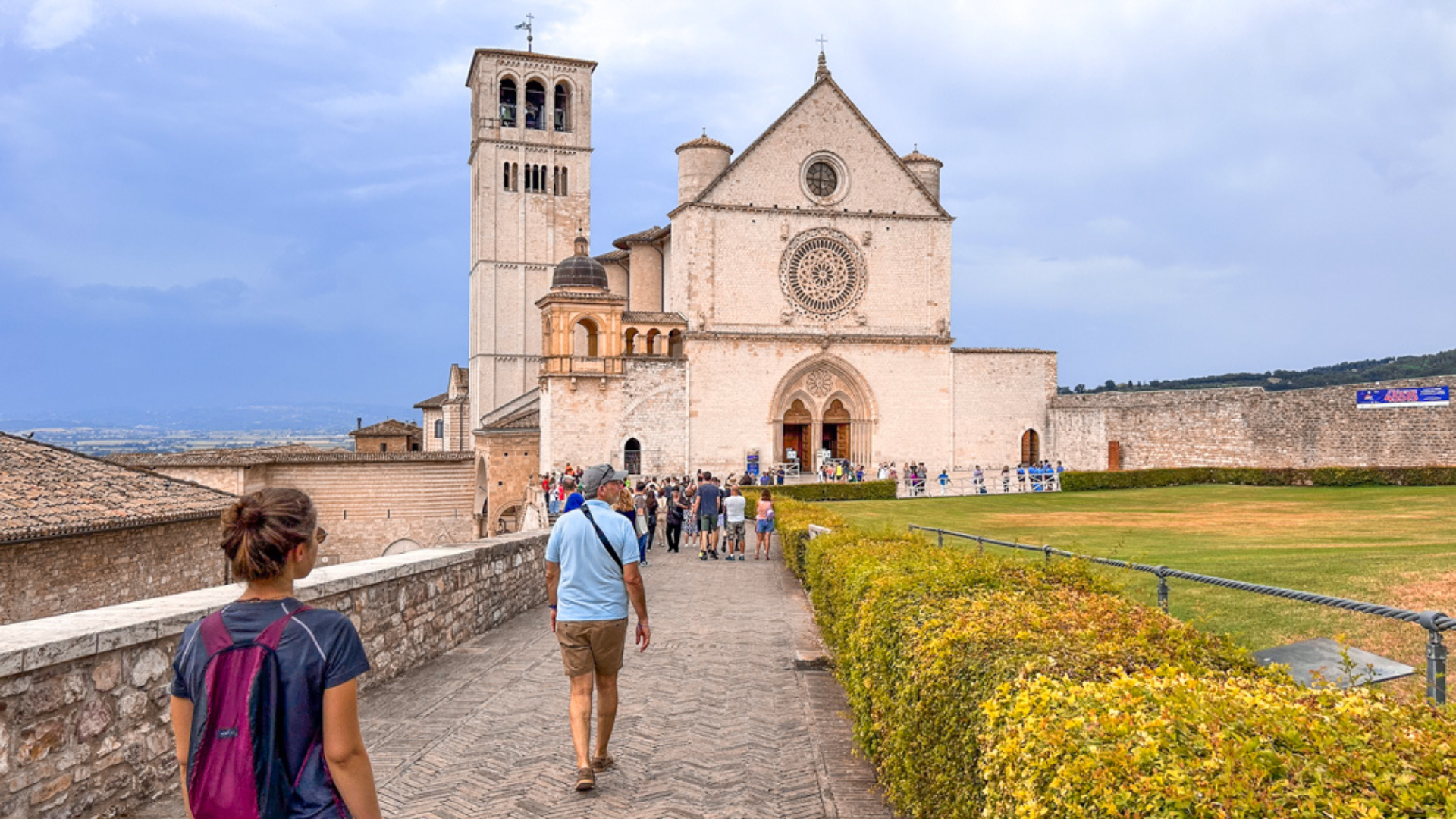
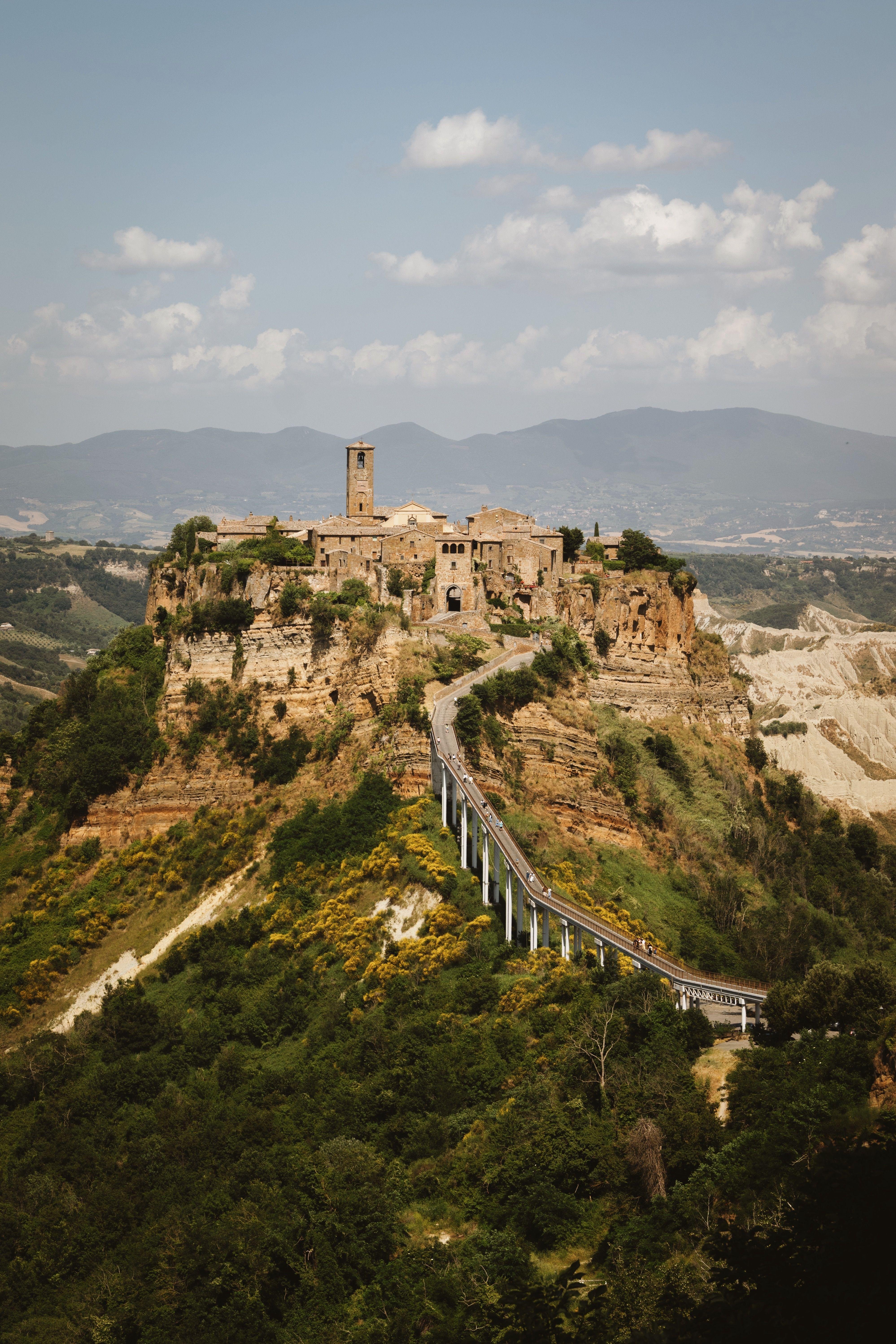
Tufa cliffs above a vanished valley, a cathedral facade in gold.
Hand-picked by our editors — only the best 5 day tours from 140 reviewed.
Verified partners for every tour, free cancellation where available, and instant confirmation on every booking.
12 hr
Visit enchanting hilltop villages, savor authentic Tuscan wines and cuisine at a countryside farmhouse
Reserve
14 hr
Discover three enchanting hilltop towns in Umbria on this comfortable full-day coach excursion
Reserve
9 hr 30 min
Visit two stunning hilltop towns in one day with private transport and flexible exploration time
ReservePrices from verified partners. Availability updates in real time at checkout. Free cancellation policies apply where shown.
The landmarks, rooms, and views travelers on this tour remember — all visible on a single visit.
This ancient church stands in the main square and dates back to Roman origins. It houses local religious artifacts and frescos.
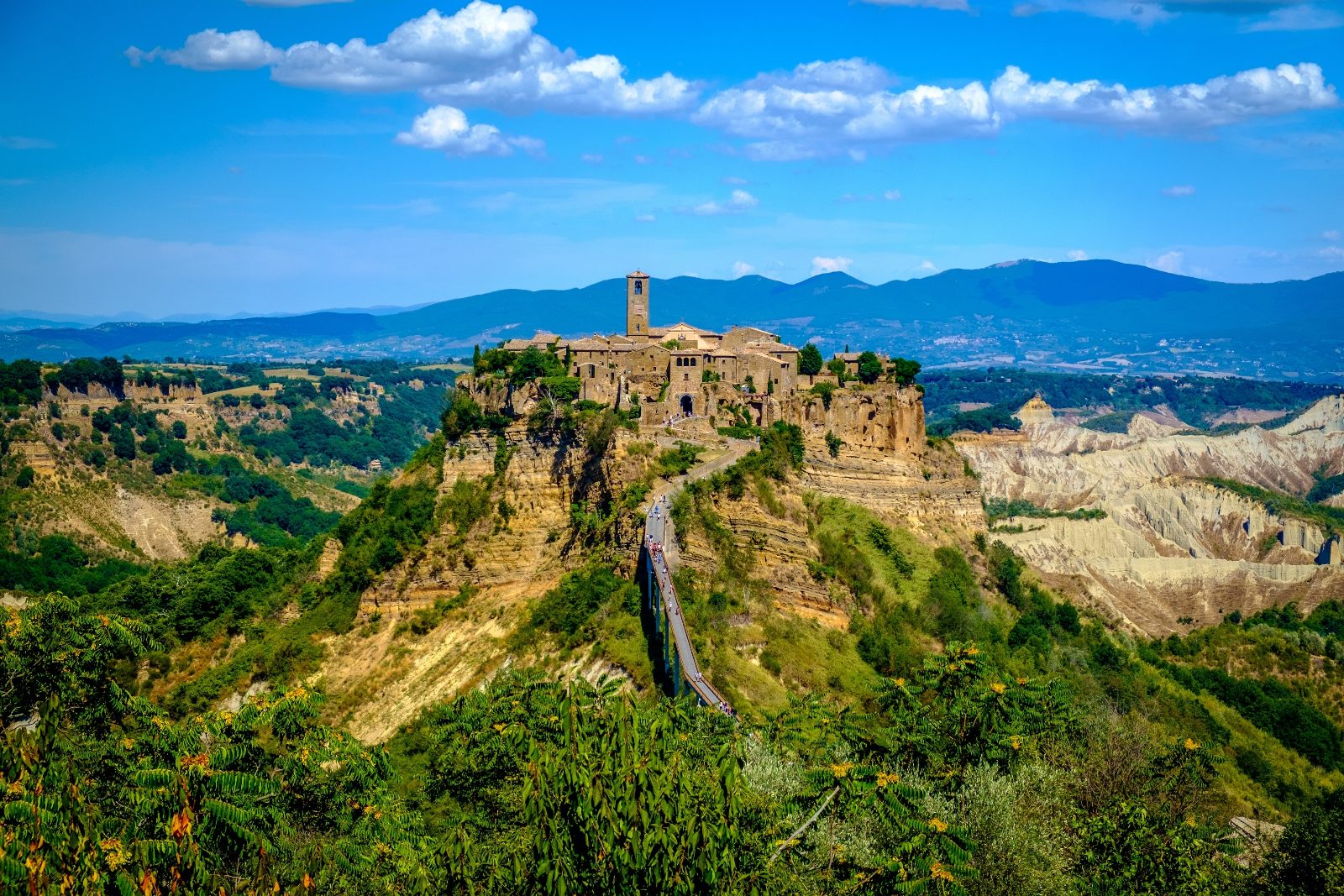
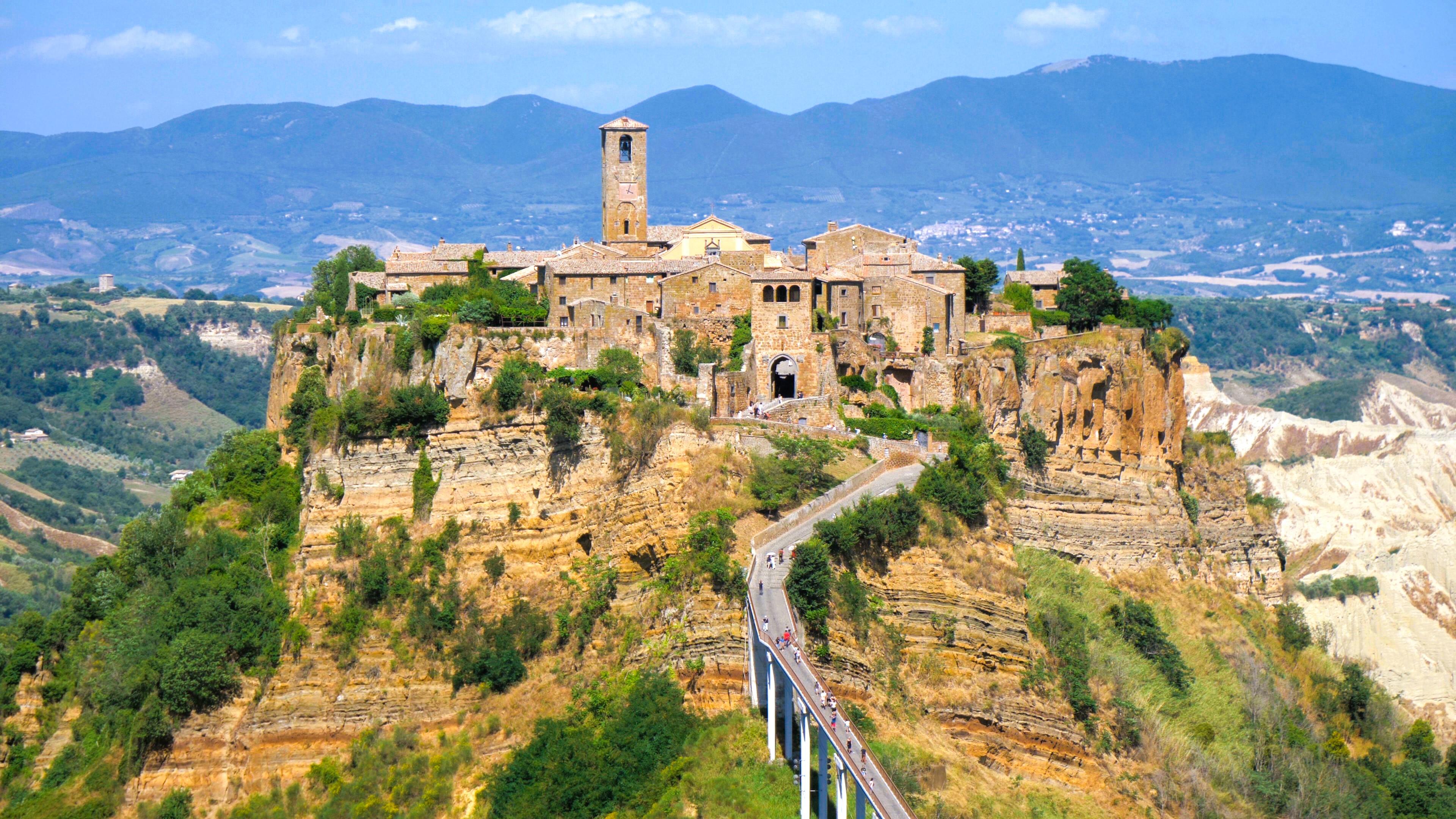
The village is perched on a ridge overlooking an eroding canyon. It provides a unique perspective on natural landscape degradation.
The village is filled with well-preserved medieval stonework and gothic arches. These structures showcase the defensive architecture of the era.
The sole pedestrian link to the village offers panoramic views of the valley. It serves as the primary route for every orvieto and civita di bagnoregio tour from rome.
Several local artisans occupy the small storefronts, creating pottery and crafts. These shops highlight the living history of the town.
They complement each other, though most visitors find the isolated cliff-top village to be the more atmospheric choice compared to the expansive, vibrant town of Orvieto. Choosing the right orvieto and civita di bagnoregio tour from rome tour depends on your preference for solitude versus urban exploration.
| Feature | Top pick Civita di Bagnoregio | Orvieto |
|---|---|---|
Atmosphere |
Isolated, ethereal village | Bustling medieval hilltop city |
Accessibility |
Pedestrian bridge access only | Funicular and shuttle bus access |
Exploration Time |
1.5–2 hours | 4–6 hours |
Main Attraction |
Erosion-prone landscape | Orvieto Cathedral facade |
Pedestrian Experience |
Steep, non-vehicular stone paths | Paved streets and plazas |
Transportation Requirement |
Private car or group transfer | Train and funicular transit options |
| See tickets → |
Verdict: Select Civita di Bagnoregio for a quiet walk through unique geography, or prioritize Orvieto when seeking comprehensive orvieto and civita di bagnoregio tour from rome tours featuring diverse architectural landmarks and varied local amenities.
Choose your ticket, select your date, and reserve in under two minutes. Secure checkout handled by our verified partner.
Instant confirmation by email, with a mobile voucher you can save offline. No printing, no queuing at a collection desk.
Arrive at the entrance, show your voucher on your phone, and walk in. Most tickets include priority or skip-the-line access.
Best time to go, insider tips, nearby landmarks, and the cancellation fine print — flip through to skim what matters to you.
How crowds, weather, and events shift across the year.
Mild temperatures and blooming flowers make this a prime time for an orvieto and civita di bagnoregio tour from rome.
Expect hot afternoons; the 08:00–09:30 arrival window is critical for comfort.
Pleasant weather and harvest season events occur in nearby Orvieto.
Cooler temperatures offer a quieter atmosphere for village exploration.
Small details that turn a good visit into a great one.
Always arrive between 08:00–09:30 to avoid the midday sun on the long bridge.
Wear sturdy sneakers for the steep incline into the village.
Purchase your 5 EUR conservation fee ticket at the official booth to ensure access.
Schedule your orvieto and civita di bagnoregio tour from rome on a weekday to avoid weekend surges.
Fill your water bottle in the village square before starting your return walk.
Non-bookable sights within a short walk — free to visit, easy to pair.
A masterpiece of Italian Gothic architecture known for its facade.
A historical engineering marvel featuring a double-helix staircase.
The town center located before the pedestrian bridge to the dying city.
Flexible, no hidden fees.
The 5 EUR conservation fee is typically managed as part of your booking through an orvieto and civita di bagnoregio tour from rome. Please check your specific tour operator policy for refund eligibility regarding bundled services.
Hand-picked options within walking distance — pick a district for vibe, or a specific hotel for convenience.
Centrally located in the historic district of Orvieto.
Charming local stays near the Civita bridge access.
Civita di Bagnoregio was founded by the Etruscans roughly 2,500 years ago, and the plateau it stands on has been shrinking ever since. The town sits on a spur of volcanic tufa resting on a bed of soft blue clay. Rain works at the clay. The clay slides. The tufa above it calves away in slabs. Earthquakes accelerated the process — the tremor of 1695 removed the bishop's palace and the road that once connected the town to the wider world. Locals call it la città che muore, the town that is dying. Fewer than a dozen people live there year-round. Orvieto, twenty kilometres north, tells the opposite story. It sits on its own tufa outcrop and has held on. The Duomo di Orvieto, begun in 1290, took three centuries to complete. Its facade carries mosaics on gold ground and Lorenzo Maitani's carved marble reliefs of Genesis and the Last Judgment. Inside, the Cappella di San Brizio holds Luca Signorelli's fresco cycle of the Apocalypse, painted between 1499 and 1504 and studied closely by Michelangelo. Beneath the streets lie some 1,200 Etruscan and medieval caves, and the Pozzo di San Patrizio, a 54-metre well sunk in 1527 with two helical staircases that never meet. An orvieto and civita di bagnoregio tour from rome links the two towns because they are geological siblings with opposite fates. What binds them today is more than rock. Both belong to the wider Alto Lazio and Umbrian hill-town circuit, where medieval street plans survive intact and the surrounding vineyards produce Orvieto Classico from the same volcanic soil. Civita's single approach is a 300-metre reinforced concrete footbridge, built in 1965 to replace the mule track. The bridge is the only way in; no cars cross it. A conservation fee of 5 EUR per person funds the shoring work that keeps the cliff edge in place, and the site keeps long summer hours, 08:00–20:00 daily. The architecture rewards slow looking. Civita's Porta Santa Maria is a twelfth-century arch cut through the rock, flanked by Romanesque lions. Etruscan burial chambers open directly onto the cliff face below houses still in use. Renaissance loggias sit above tunnels bored two millennia earlier. Travellers comparing an orvieto and civita di bagnoregio tour from rome against a solo drive usually find the pairing works best guided, because the two hilltowns explain each other only when seen in sequence.
"The clay slides, the tufa calves away, and the town keeps its appointment with the valley."
The bridge is steep, requiring a moderate level of physical fitness.
Pets are welcome if kept on a leash at all times.
Most travelers spend 2 to 3 hours exploring the village paths.
Yes, these tours run daily, though weekends are typically busier.